
What is a Virus?
The Microscopic Creatures.
2/2/20262 min read
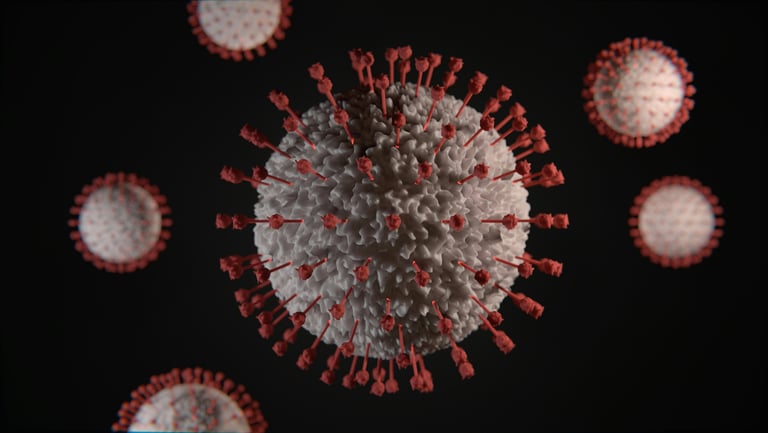
Viruses are microscopic, non-living infectious agents consisting of genetic material (DNA or RNA) enclosed in protein, requiring a living host cell to replicate. They cause communicable diseases—ranging from the common cold and influenza to COVID-19 and hepatitis—by invading cells, spreading through droplets, fluids, or contact. Prevention relies on vaccines and hygiene, while treatment focuses on symptom management rather than direct cures.
What is a Virus?
Viruses are not technically classified as living organisms because they cannot reproduce on their own; they need a host cell—human, animal, or plant—to hijack cellular machinery and create copies of themselves. They are among the smallest infectious agents known.
Types of Viral Infections
Viruses are responsible for a vast array of illnesses, generally categorized by the system they affect:
Respiratory Viruses: Influenza, COVID-19, Respiratory Syncytial Virus (RSV), and the common cold.
Digestive System Viruses: Gastroenteritis (stomach flu), Rotavirus.
Liver Viruses: Hepatitis A, B, C, D, and E.
Skin/Surface Viruses: Herpes simplex (cold sores), warts, chickenpox.
Communicable or Non-Communicable?
Viral infections are almost entirely communicable diseases, meaning they spread from person to person.
Transmission Methods: They spread through respiratory droplets (coughing/sneezing), contaminated food/water (faecal-oral route), direct contact with bodily fluids, or through vectors like mosquitoes.
Latent Viruses: Some viruses (like herpes) can become "dormant" or inactive in the body, only to reactivate later, causing recurring, yet communicable, outbreaks.
Symptoms of Viral Infections
Symptoms are often a result of the immune system fighting the infection and vary based on the type of virus. Common indicators include:
Fever and chills.
Cough, sore throat, and runny nose.
Fatigue and body aches.
Diarrhoea, nausea, or vomiting.
Skin rashes or sores.
Cure and Management
Unlike bacterial infections, antibiotics cannot treat viral infections.
Supportive Care: The primary approach is managing symptoms through hydration, rest, and over-the-counter medication (fever reducers, cough suppressants).
Antivirals: Specific antiviral medications exist for certain viruses (e.g., flu, HIV, Hepatitis) to help reduce severity and duration, but they do not always "cure" the infection.
Immune System: In most cases, the body's immune system clears the virus over time.
Prevention Strategies
Preventing the spread of viruses is crucial, especially during seasonal changes:
Vaccinations: Vaccines are the most effective defence against many viruses, including Influenza and COVID-19.
Hand Hygiene: Regular, thorough hand washing with soap and water is crucial.
Respiratory Etiquette: Covering coughs and sneezes and wearing masks in crowded areas.
Sanitation: Cleaning frequently touched surfaces and practicing safe food/water consumption.
Social Distancing: Avoiding close contact with infected individuals.
Contacts
Mob. No.: +91 9557534401
Email: info@metahelcure.com export@metahelcure.com
About Us
Contact Us
Our Presence
Gallery
Products
Quality
Terms & Conditions
Privacy Policy
Corporate Address- D-366, Main Road, Bhajanpura, North East, New Delhi-110053, INDIA
Factory Address- Plot No. 94M2, Sector-6A, IIE, SIDCUL, Haridwar-249403, INDIA


@2026 Metahel Cure Private Limited
All rights reserved.